
When Everyone Owns It, Nobody Owns It
Several years ago, during COVID, I was asked to take over the leadership of a youth soccer program. I inherited a board made up of talented, committed individuals who genuinely wanted to do the right thing for the program and the young athletes we served.
There was just one problem. Nobody had clearly defined responsibilities.
Almost everything became a board discussion. Responsibilities overlapped, decisions took longer than necessary, and we frequently found ourselves revisiting conversations we’d already had. Things weren’t necessarily getting done, not because people weren’t willing, but because nobody was entirely sure who owned what.
It was frustrating. We had good people, but we weren’t getting the best out of them. After my first board meeting, I called a second, interim meeting with one objective: establish some clarity.
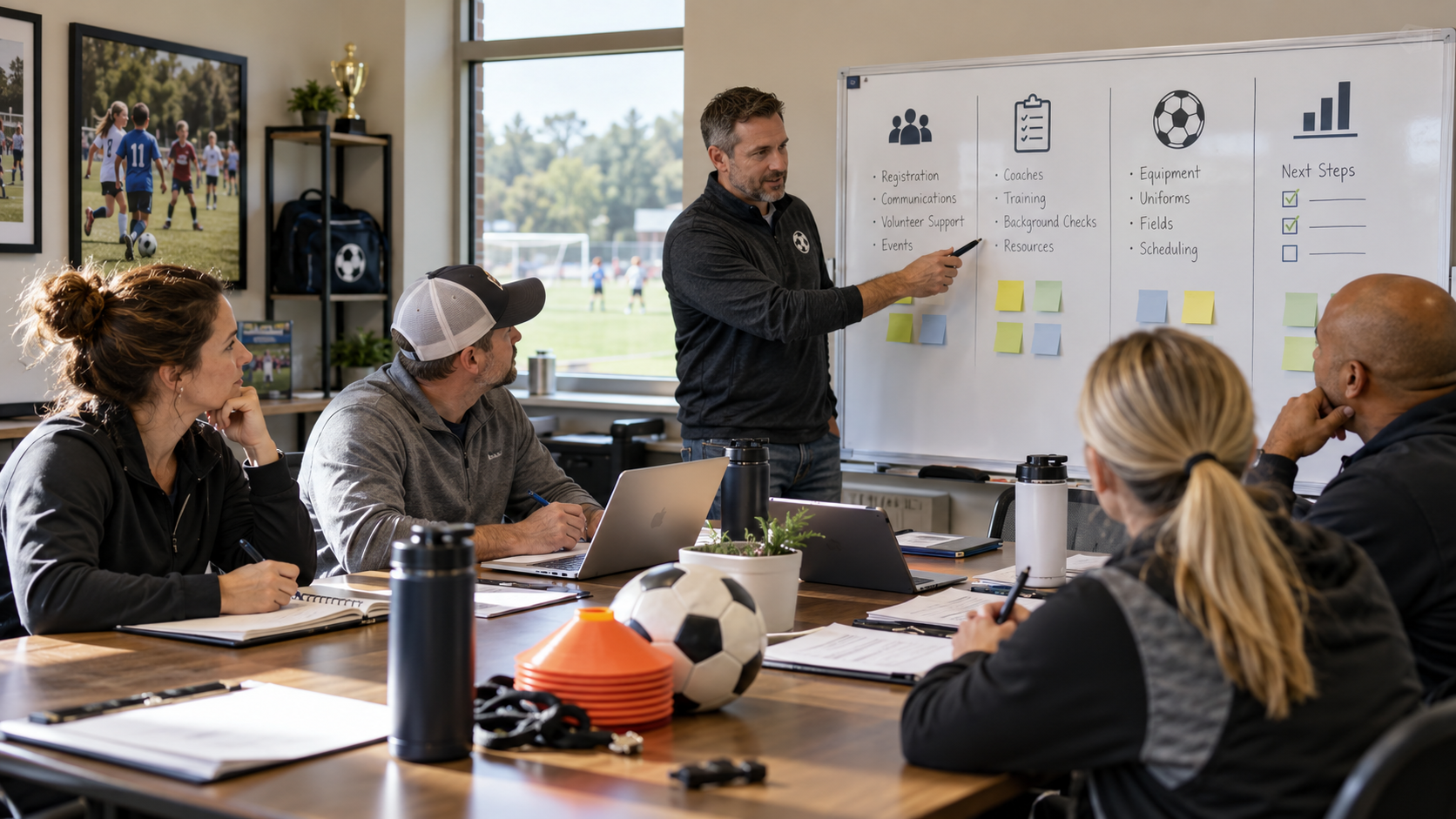
We started with a whiteboard and listed everything required to run the program effectively. Registrations, equipment, medals, team bags, coach development sessions, communications, and all the other activities that needed attention. Then we worked through the list. What should we keep? What could we combine? What could we eliminate? More importantly, who should own each responsibility?
By the end of the exercise, we’d started defining meaningful roles for individual board members. We also discovered something else: we didn’t have enough people to do everything properly. We needed to recruit additional board members.
That meeting changed how we approached running the program.
Good Intentions Don’t Create Accountability
This experience reinforced something I’ve seen repeatedly in both volunteer organizations and businesses. When everybody is responsible for something, there’s a very real danger that nobody feels accountable for the outcome.
It’s rarely intentional. People want to help. They participate in discussions, offer suggestions, and contribute ideas. But without clear ownership, those contributions don’t always translate into action. And that creates frustration, not just for the person leading the organization, but for everyone involved.
Meetings become longer. Decisions are revisited. Important activities fall between the cracks. And talented people end up contributing less than they’re capable of.
Why Does This Happen?
In volunteer organizations, there’s often a reluctance to assign responsibilities too firmly. After all, people are giving their time, and nobody wants to appear demanding. So we default to collective responsibility.
“We’ll take care of that.”
“Someone will follow up.”
“We’ll discuss it at the next meeting.”
All reasonable statements, but none establishes accountability. Businesses experience exactly the same problem, particularly as they grow. Responsibilities evolve, roles overlap, and decisions become increasingly dependent on group discussions.
The result is often more activity, but not necessarily more progress.
Clarity Doesn’t Eliminate Collaboration
One of the important lessons from our whiteboard exercise was that assigning ownership didn’t mean individuals had to work alone. Quite the opposite. When someone owns an outcome, they can involve others, ask for help, and draw upon the experience of the entire team.
But there is one person responsible for making sure it happens. This is where leaders need to distinguish between shared responsibility and individual accountability. A board can collectively agree on its priorities. It can discuss options and contribute ideas. But once a decision is made, someone needs to own the next step and the intended result.
And that ownership needs to be understood by everyone.
It also needs to come with the authority, resources, and support to get the job done.
The Leadership Question
Looking back, that interim board meeting wasn’t particularly sophisticated. We didn’t introduce an elaborate management system or spend weeks developing organizational charts. We simply identified what needed to be done, challenged what was necessary, and clarified who was responsible.
It was a practical exercise that helped turn a group of capable volunteers into a more effective leadership team. Whether you’re leading a youth sports association, a nonprofit, or a growing business, the lesson is the same.
Collaboration makes an organization stronger. Clear ownership makes it effective.
The next time your leadership team agrees that something needs to happen, ask one additional question:
Who actually owns the outcome?
Image generated by OpenAI ChatGPT